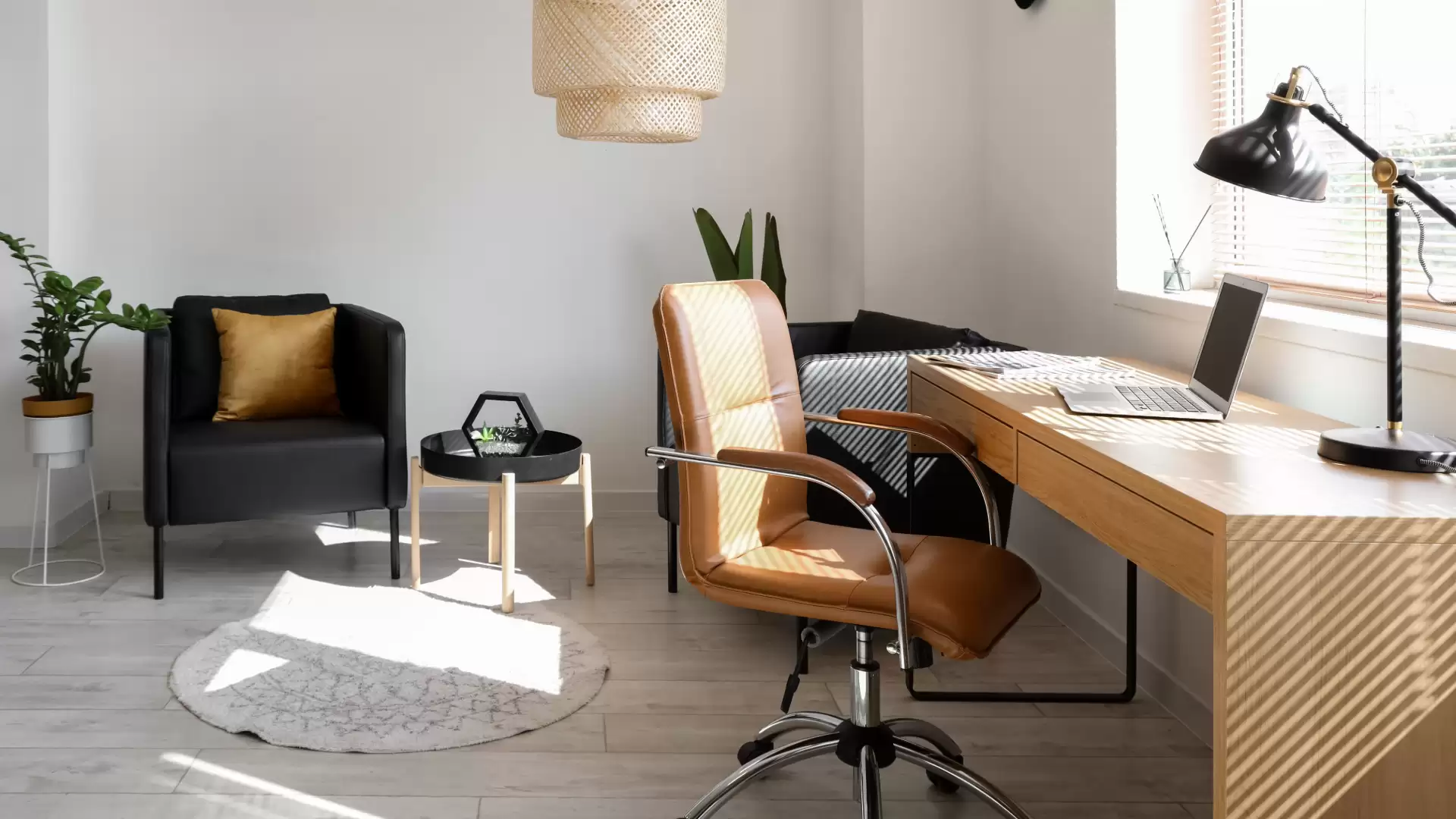
You can purchase furniture and office equipment through asset finance without depleting your operating cash reserves.
Businesses moving to new premises or upgrading their workspace face substantial upfront costs for furniture and fitouts. Asset finance provides an alternative to paying everything in one transaction. The equipment becomes collateral for the loan, and you make fixed monthly repayments while using the furniture from day one. This approach lets you preserve working capital for inventory, wages, or other immediate costs.
What Counts as Equipment Under Asset Finance
Asset finance covers any physical business equipment that holds resale value. This includes office furniture such as workstations, chairs, filing systems, and conference tables. It also extends to hospitality equipment like commercial kitchen setups, bar fixtures, and dining furniture. Medical practices can finance consultation rooms, patient furniture, and reception areas under the same structure.
The loan amount typically ranges from $5,000 to several million dollars depending on your purchase scale. Lenders assess the equipment's useful life and residual value when determining terms. A commercial kitchen fitout with specialised appliances will have different terms than standard office desks because the equipment has different depreciation patterns and secondary market demand.
For technology equipment that becomes outdated quickly, lenders may offer shorter terms to match the practical lifespan. A reception desk might carry a seven-year term, while computer equipment typically runs three to four years.
How Chattel Mortgage Works for Furniture Purchases
A chattel mortgage lets you borrow against the furniture while owning it outright from purchase. You take legal ownership immediately, the lender registers a mortgage over the equipment, and you repay the principal plus interest rate through scheduled payments. The arrangement suits businesses that want to claim tax benefits on the asset from day one.
Consider a hospitality venue purchasing $80,000 in dining furniture and bar equipment. Under a chattel mortgage, the business owns the furniture immediately and can claim depreciation and GST credits where applicable. The lender holds security over those items until the loan completes. Monthly repayments might run around $1,400 over five years, allowing the business to match repayment timing with revenue generation from the new fitout.
At the end of the term, you own the furniture with no further obligations. Some businesses include a balloon payment, which reduces monthly costs but requires a larger sum at completion. A 30% balloon on that $80,000 loan would reduce monthly repayments to roughly $1,100 but require a final payment of $24,000.
Equipment Leasing Versus Purchase Options
A finance lease differs from outright purchase because you don't own the equipment during the lease period. You make payments for the right to use the furniture, and at the end of the life of the lease, you can purchase it for its residual value, upgrade to newer equipment, or return it. This structure suits businesses with regular upgrade cycles or those managing cashflow carefully.
Ready to get started?
Book a chat with a Finance and Mortgage Brokers at Divorce Home Loans today.
An accounting firm leasing $40,000 in office furniture over four years might pay around $950 monthly. At completion, the residual value might be $8,000. The firm can pay that amount to own the furniture, extend the lease, or return everything and lease new items. This approach works when the business prefers predictable costs and wants the option to refresh the workspace regularly without managing asset disposal.
Operating leases function similarly but typically involve shorter terms and higher residual values. They suit businesses that want the latest equipment without ownership responsibilities. You return the items at lease end and start fresh. The GST treatment and tax deductibility vary between lease types, so speak with your accountant before committing to a structure.
Tax Treatment and Depreciation Considerations
When you own the furniture through a chattel mortgage or Hire Purchase, you claim depreciation based on the asset's effective life. Office furniture typically depreciates over 13 years under tax office guidelines, though you can use an accelerated rate for items under the instant asset write-off threshold if your business qualifies.
Lease payments operate differently. Under a finance lease, you claim the lease payment as a tax deduction rather than depreciating the asset because you don't own it. This can provide consistent deductions across the lease term. The specific tax benefits depend on your business structure, turnover, and the type of equipment. Self-employed business owners often find these arrangements particularly valuable when coordinating with existing debt structures.
GST treatment also varies. Under a chattel mortgage, you typically claim the full GST input credit upfront when you purchase. Under a lease, you claim GST on each payment as it occurs. This affects cashflow differently depending on your reporting cycle and BAS timing.
Structuring Terms Around Business Cashflow
You set repayment terms to match your revenue patterns and the equipment's productive life. A restaurant purchasing dining furniture might choose a five-year term that aligns with the expected lifespan before refurbishment. A corporate office might extend furniture finance to seven years if the workspace has a longer planned occupancy.
Monthly repayment amounts depend on the loan amount, term length, interest rate, and any balloon payment. Adding a balloon reduces monthly obligations but requires planning for that final sum. Some businesses set aside a portion of monthly revenue to cover the balloon when due, while others refinance or use operating income.
If you're coordinating furniture finance with other business funding or property settlements, timing matters. Debt consolidation may involve rolling equipment finance into a broader structure if you're refinancing multiple obligations simultaneously. In those situations, align furniture purchase timing with your overall finance settlement to avoid duplicate establishment fees or mismatched repayment schedules.
Access to Lenders and Vendor Finance
Asset finance options come from banks, specialist equipment lenders, and vendor finance programs. Some furniture suppliers offer in-house finance or partnerships with preferred lenders. These arrangements can streamline approval because the vendor knows the equipment value and resale potential.
Vendor finance sometimes includes promotional terms such as deferred payments or reduced rates for specific product lines. The actual cost depends on comparison with open market lenders. A promotional rate might look attractive but could carry higher overall interest if the financed amount includes margin built into the furniture price.
Access asset finance options from banks and lenders across Australia by working with a broker who compares terms, structures, and rates across multiple providers. Different lenders specialise in different equipment types. A lender experienced in hospitality equipment finance understands residual values for commercial kitchen setups differently than one focused on office furniture.
Call one of our team or book an appointment at a time that works for you. We'll help you structure asset finance that preserves capital while getting the furniture and equipment your business needs now.
Frequently Asked Questions
Can I claim tax deductions on furniture purchased through asset finance?
Yes, the tax treatment depends on the finance structure. With a chattel mortgage or Hire Purchase, you claim depreciation on the furniture as you own it. Under a finance lease, you claim the lease payments as deductions instead of depreciating the asset.
What's the difference between a chattel mortgage and a lease for furniture?
A chattel mortgage means you own the furniture immediately and the lender holds security over it until repayment completes. A lease means you pay to use the furniture but don't own it until you pay the residual value at the end of the term or purchase it separately.
How much deposit do I need for furniture finance?
Deposit requirements vary by lender and equipment type, typically ranging from zero to 20% of the purchase price. The equipment itself serves as collateral, which can reduce deposit requirements compared to unsecured business loans.
Can I include a balloon payment on furniture finance?
Yes, you can structure a balloon payment that reduces your fixed monthly repayments by deferring a portion to the end of the term. The balloon amount typically ranges from 20% to 40% of the loan amount depending on the equipment type and term length.
What happens to the furniture at the end of a finance lease?
At the end of a finance lease, you can purchase the furniture by paying its residual value, extend the lease term, upgrade to new equipment, or return the furniture to the lender. The choice depends on your business needs and the equipment's condition.